
Branding Case Study: Milan Design Week
Milan Design Week is a seminal point in the global event calendar. Apart from the official fair, which specifically focuses on interior design, Milan is also home to an enormous number of exhibitions, installations, and brand activations (this year, over 900). Many analytical lenses can be applied to the Milan Design Week, but we are dedicating this piece to branding and to how creativity, the arts, and experiential design were harnessed to generate awareness, engagement, and value. We are looking into themes such as introducing radical brand extensions, using deconstruction as a consumer education strategy, developing experiential country branding, and separating art from consumption to boost brand credibility.
Miu Miu: Feminist thought and the brand’s intellectual capital
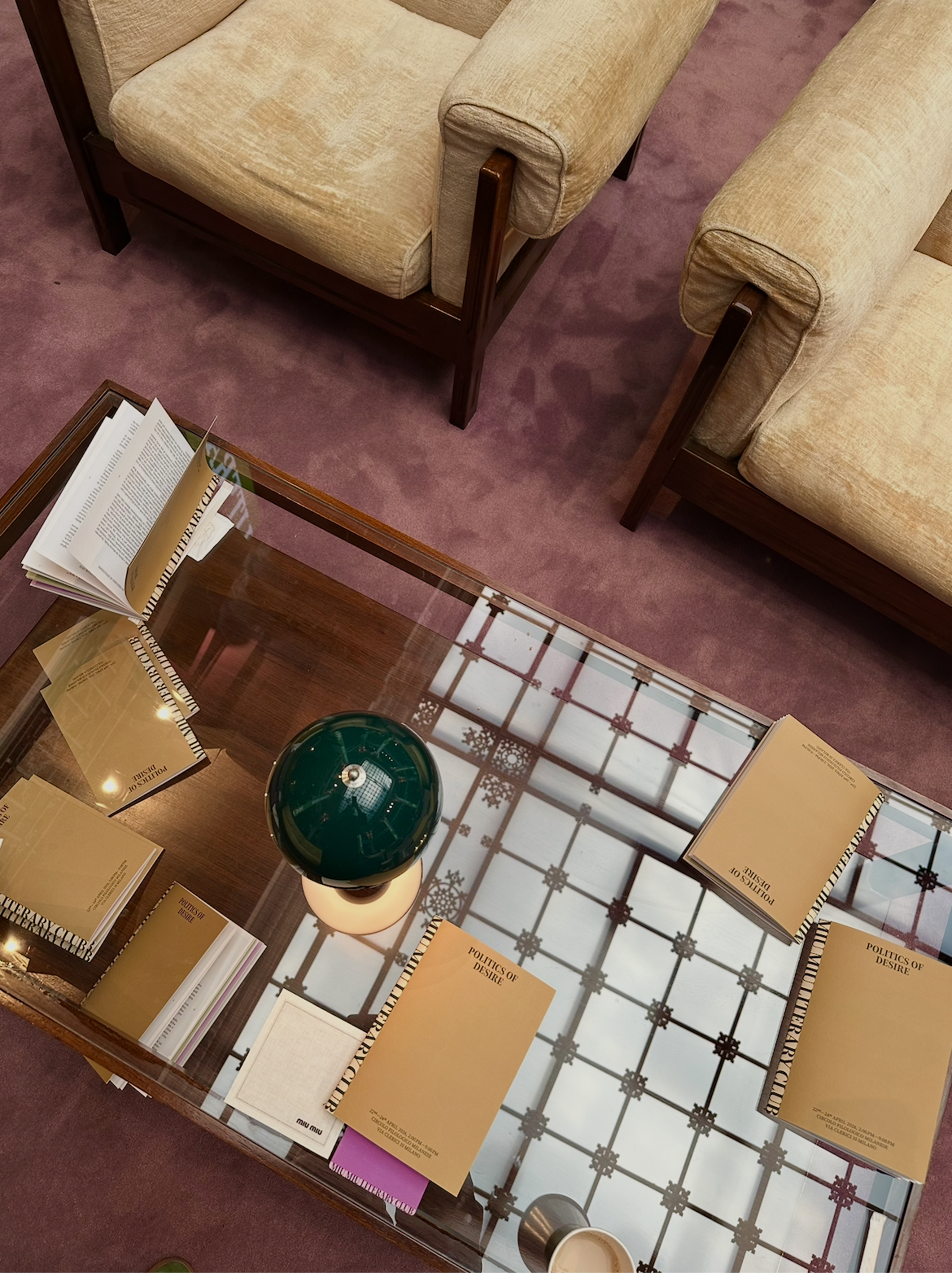
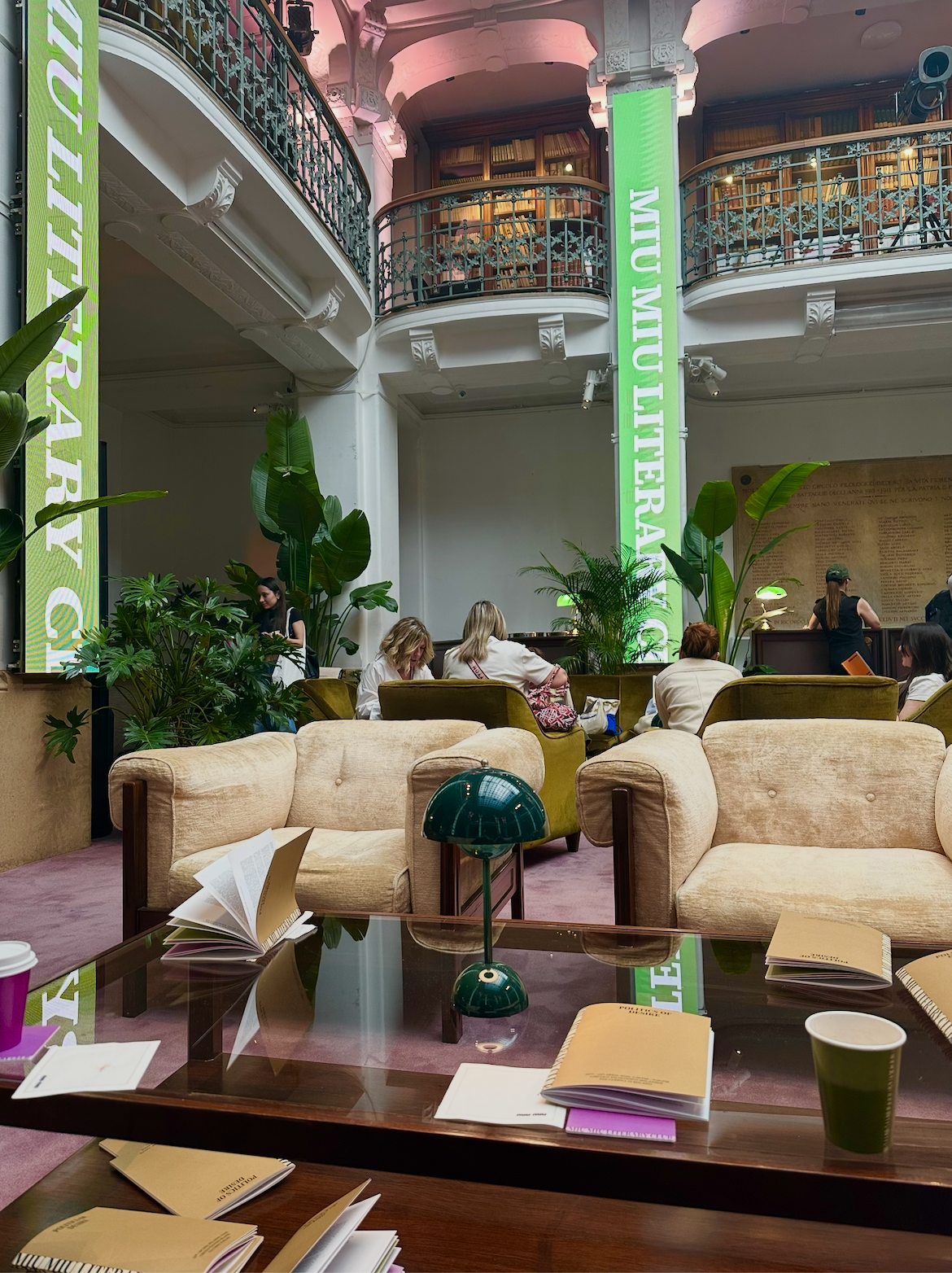
Miu Miu, a fashion brand aimed at younger consumers, continued its tradition of organising a literary club that promotes feminist literature and thought. Titled “Politics of Desire”, the three-day event addressed “the political weight of wanting” and featured lectures, music events, a mini library spot and a dedicated space where visitors could read the books from a list of selected feminist works, discuss them, and spend time together. It is no coincidence that this concept, developed by Miuccia Prada, was not associated with Prada, which is aimed at more mature consumers, but instead with a substantially younger Miu Miu crowd. The brand, which has garnered a significant following over the past few years, is using its cultural capital to introduce these important ideas to young people. From a branding perspective, events like a literary club feed into Miu Miu’s intellectual capital, moving it away from the perception that it is a frivolous brand. Even the keepsakes were significantly different from what other brands offered - books, instead of disposable knick-knacks or product samples. There is a deep tension between the youthfulness of Miu Miu and the slow, contemplative nature of a literary club, which allows the brand to offer its consumers and younger audiences an intellectual experience without sacrificing its aesthetic angle.
Aesop: Full experience management as a strategy for introducing a new brand extension
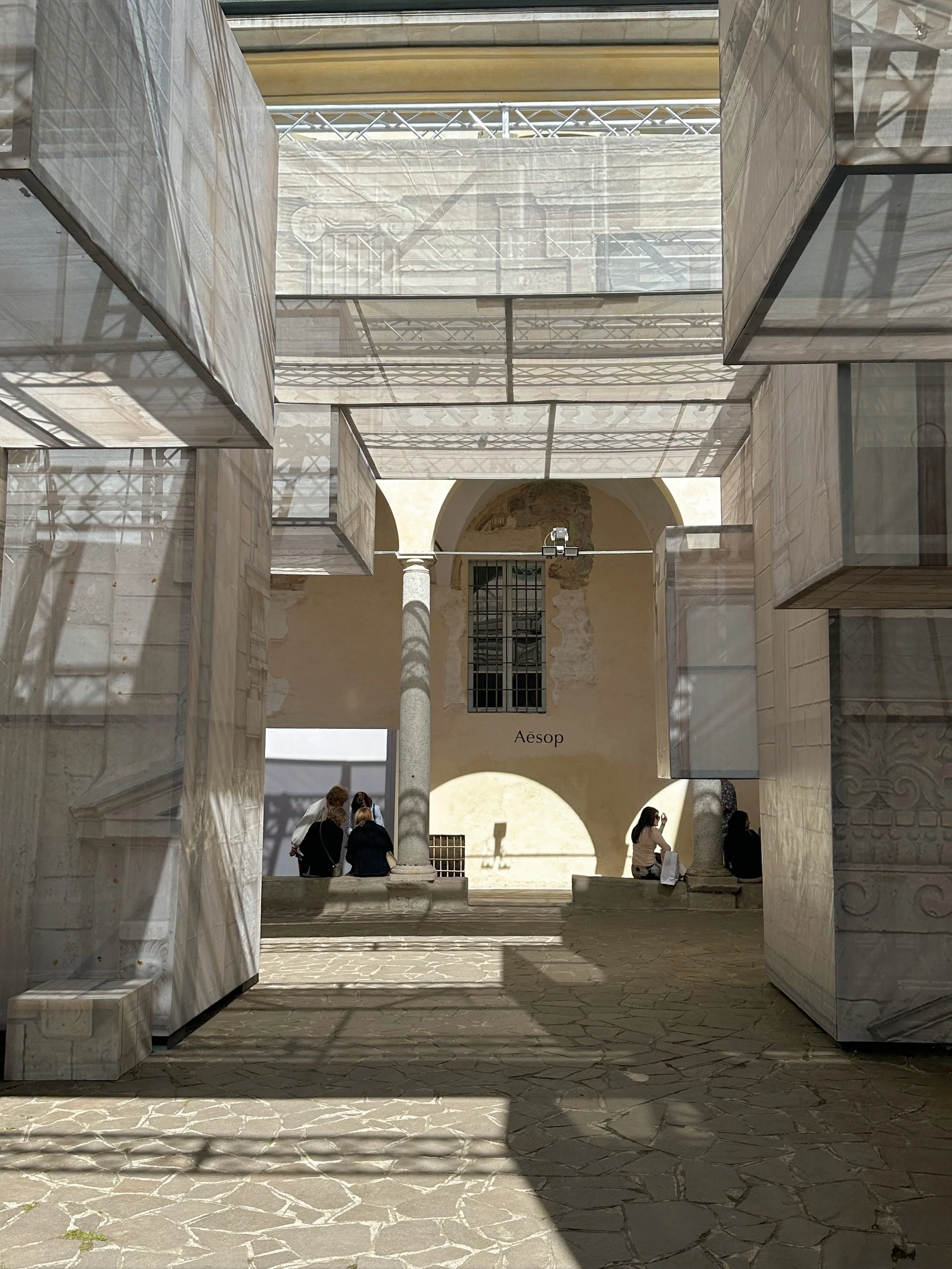
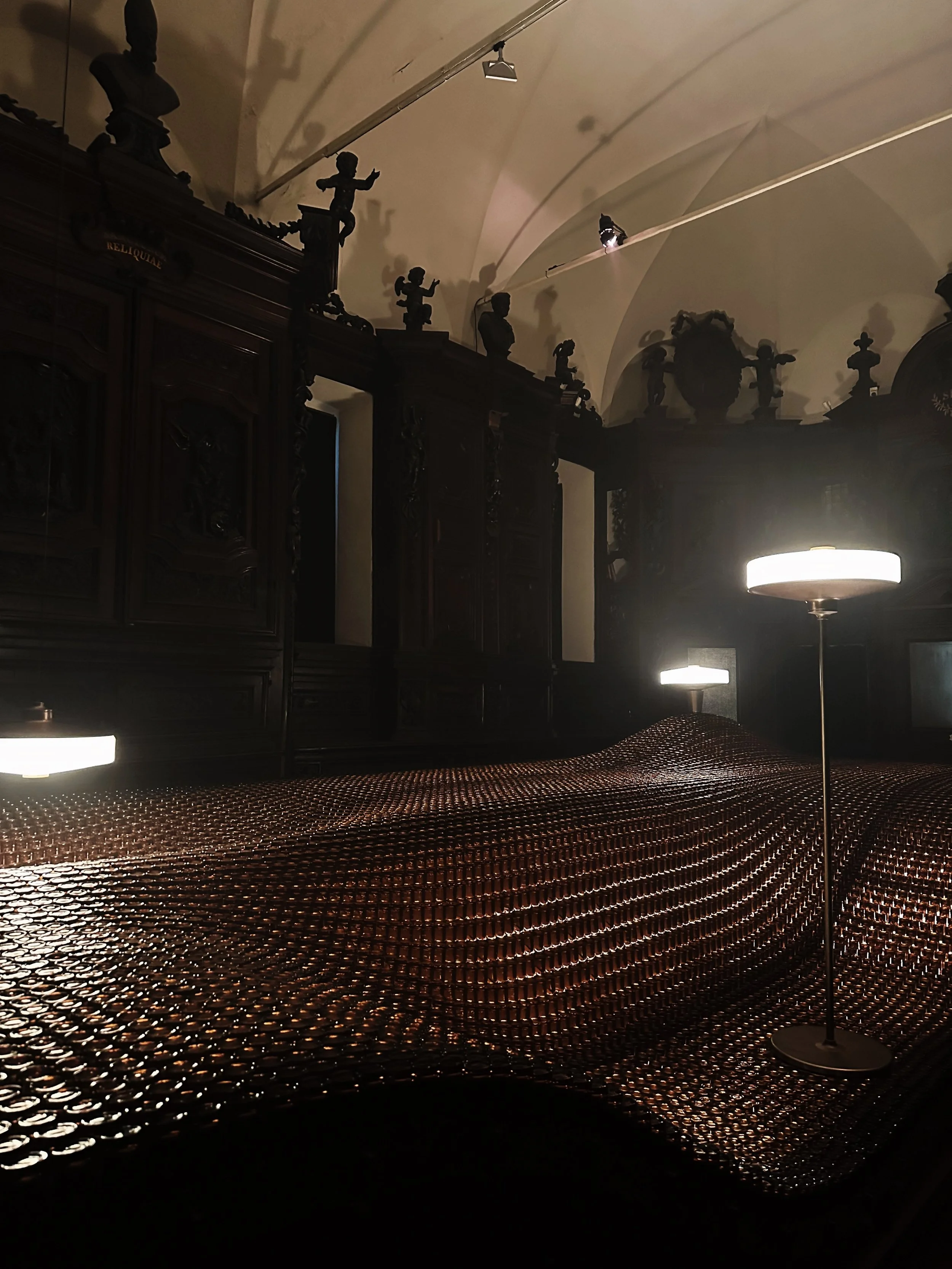
Aesop, a beauty brand, held one of the most anticipated installations at Milan Design Week, with visitors waiting in lines for over an hour. The brand introduced a new product category that was a significant departure from its current offering, as it created its first-ever lamps. The brand’s symbolic connection is to light, as Aesop aims to “illuminate skin” and references it in many of its product campaigns. The installation setup consisted of four different sensory rooms tracing the creation of the lamp, while integrating its hero products. However, what made this installation particularly interesting from a branding perspective was Aesop’s full experience management approach. Unlike other brands, Aesop ensured that even waiting in line was part of the experience: employees in branded overalls handed out black umbrellas, tea, and golden chocolate-covered almonds. The entrance into the exhibition featured sinks where people could wash their hands, after which they could proceed to the installation. Another notable difference was that visitors were thanked for taking the time to wait in line. The outcome of these activities was that, aside from creating a luxurious experience out of waiting in line (which is quintessentially un-luxurious), the event felt well thought-out, considered, and meaningful. This perception was further reinforced by the extensive storytelling that formed the basis for this installation. As a result, the radical departure from the brand’s product line did not raise any alarms but was instead perceived as a brand philosophy taking a new form.
Gucci: Virality versus tradition
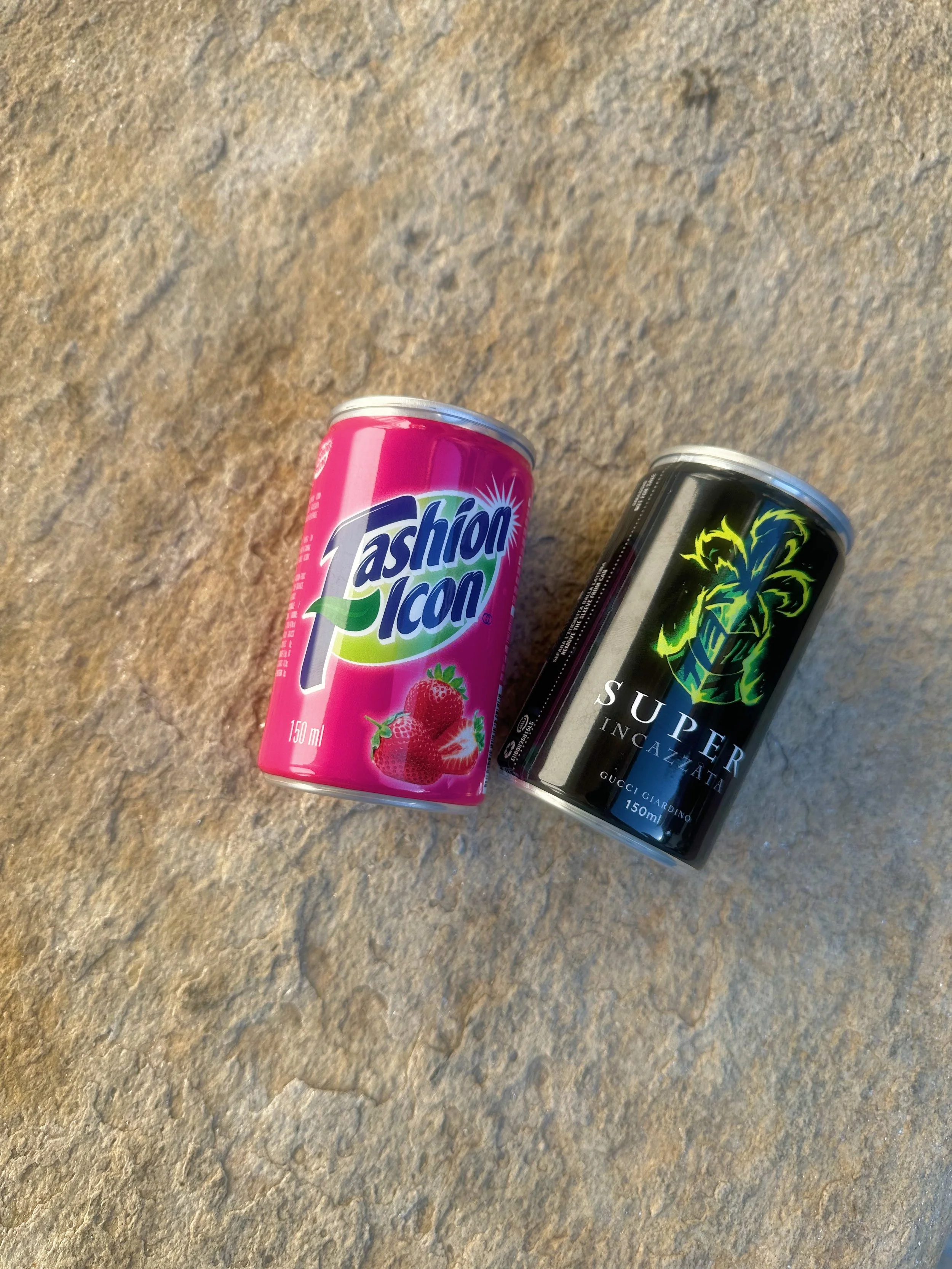
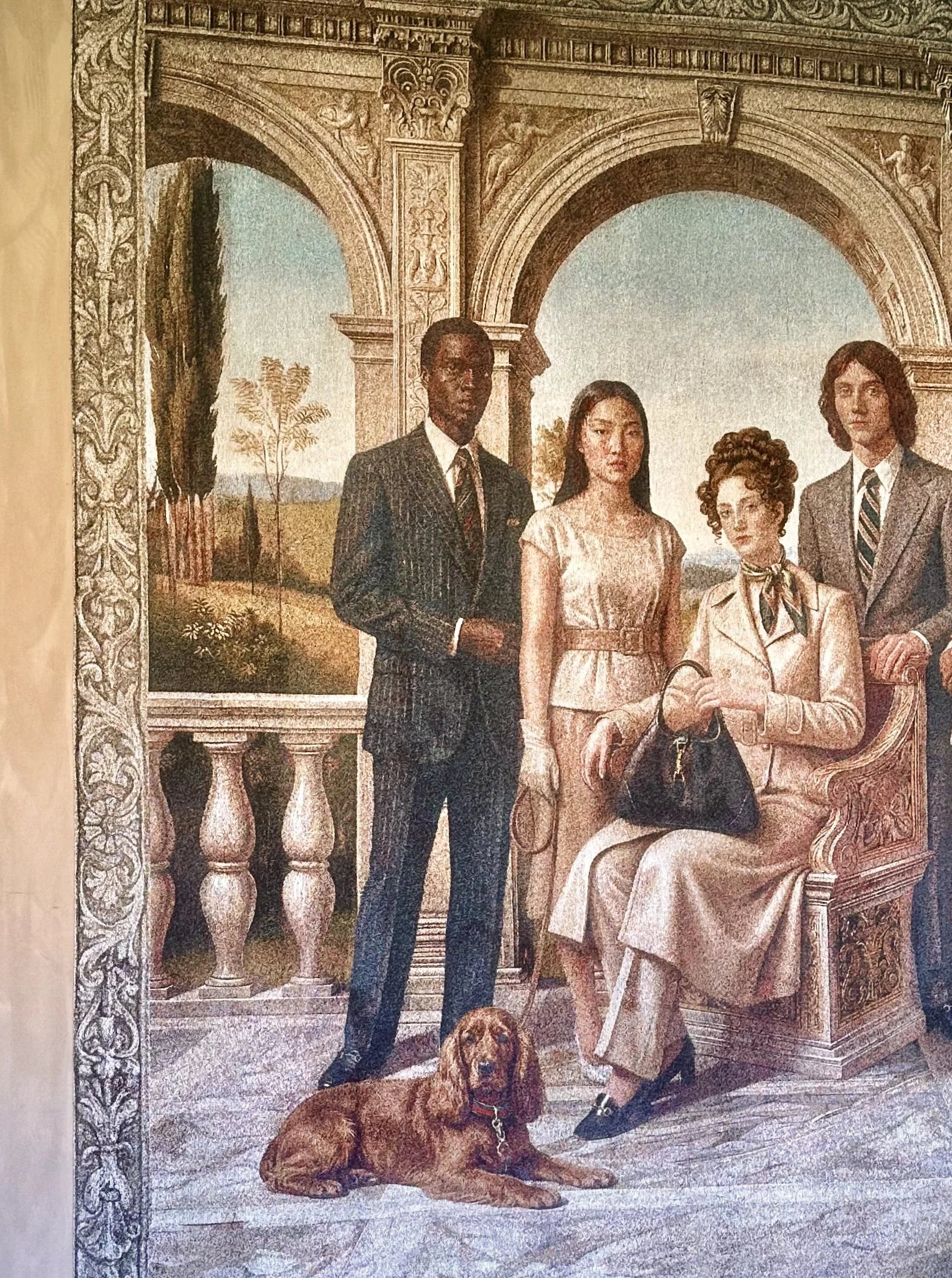
Gucci’s exhibition “Memoria” was intended to reflect on the brand’s 105-year-long history. There were two distinct sections of the exhibition: a series of tapestries depicting brand-related imagery and guccified black vending machines dispensing branded drinks. The reliance on tapestry as a medium for communicating a brand’s history was a clever use of a traditional art form that provided a perfect clash with more modern, brand-inspired imagery. However, this strategic move was overpowered by the popularity of the vending machines. When present on the spot, it was visible that visitors were more interested in fashionable keepsakes than in exploring the exhibition. The beautiful area with tapestries was filled with visitors who were circulating without engaging with the content. As Gucci struggles to re-establish itself as a fashion powerhouse, the choice of branding strategy raises questions about the true value of social media virality and its contribution to consumer relationship management.
Rimadesio: Separating art from consumption
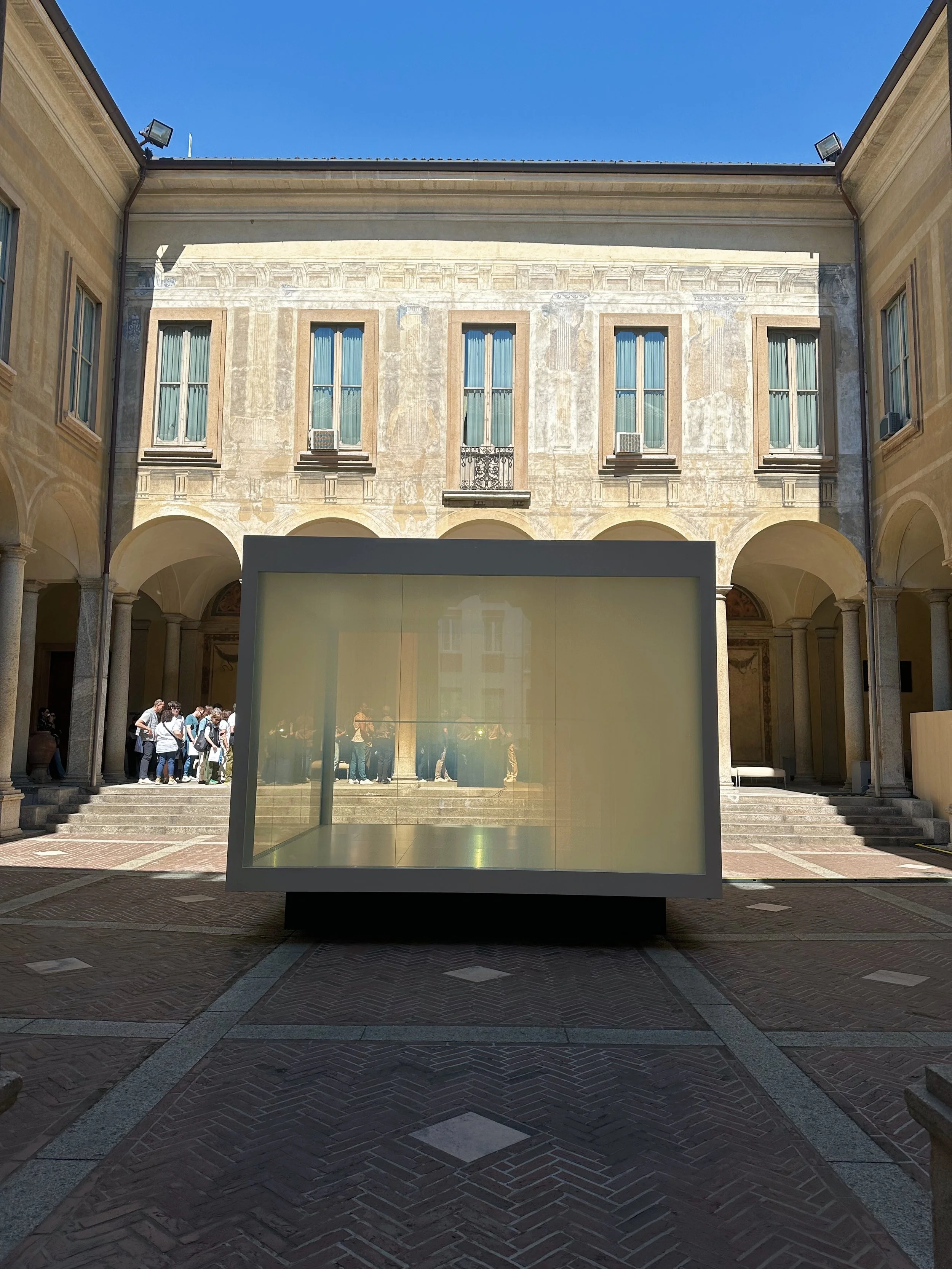
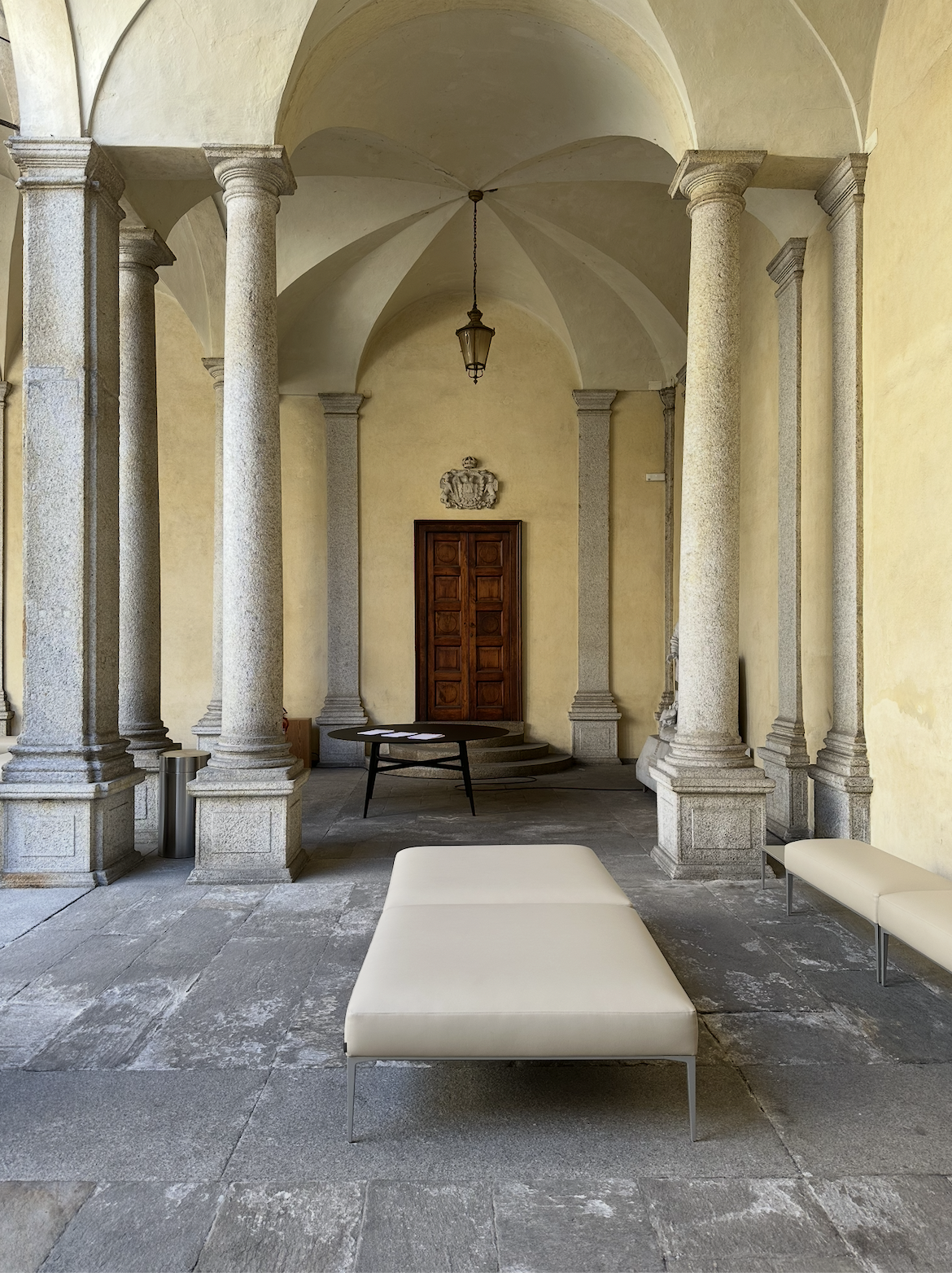
Rimadesio, an interior design company, is one of the few Milan Design Week participants that opted for two events. One event showcased its latest collection, while its project “Becoming” celebrated 70 years of design and the brand’s existence. The decision to separate the two also stood out as the brand, in doing so, separated art from consumption. For most visitors unfamiliar with the brand, “Becoming” did not offer a traditional opportunity to be introduced to it. Instead, the immersive experience focused on the work of its designers and architects, showcasing the behind-the-scenes process divorced from its commercial purpose. Such an approach allowed visitors to appreciate the craftsmanship and creativity without feeling like they were witnessing a spectacle of consumerism. This was an interesting strategy for boosting the brand’s artistic credibility in the eyes of those familiar with it and offering an educational artistic experience to the broader audience.
Molteni & C: Nature integration as a sustainability strategy
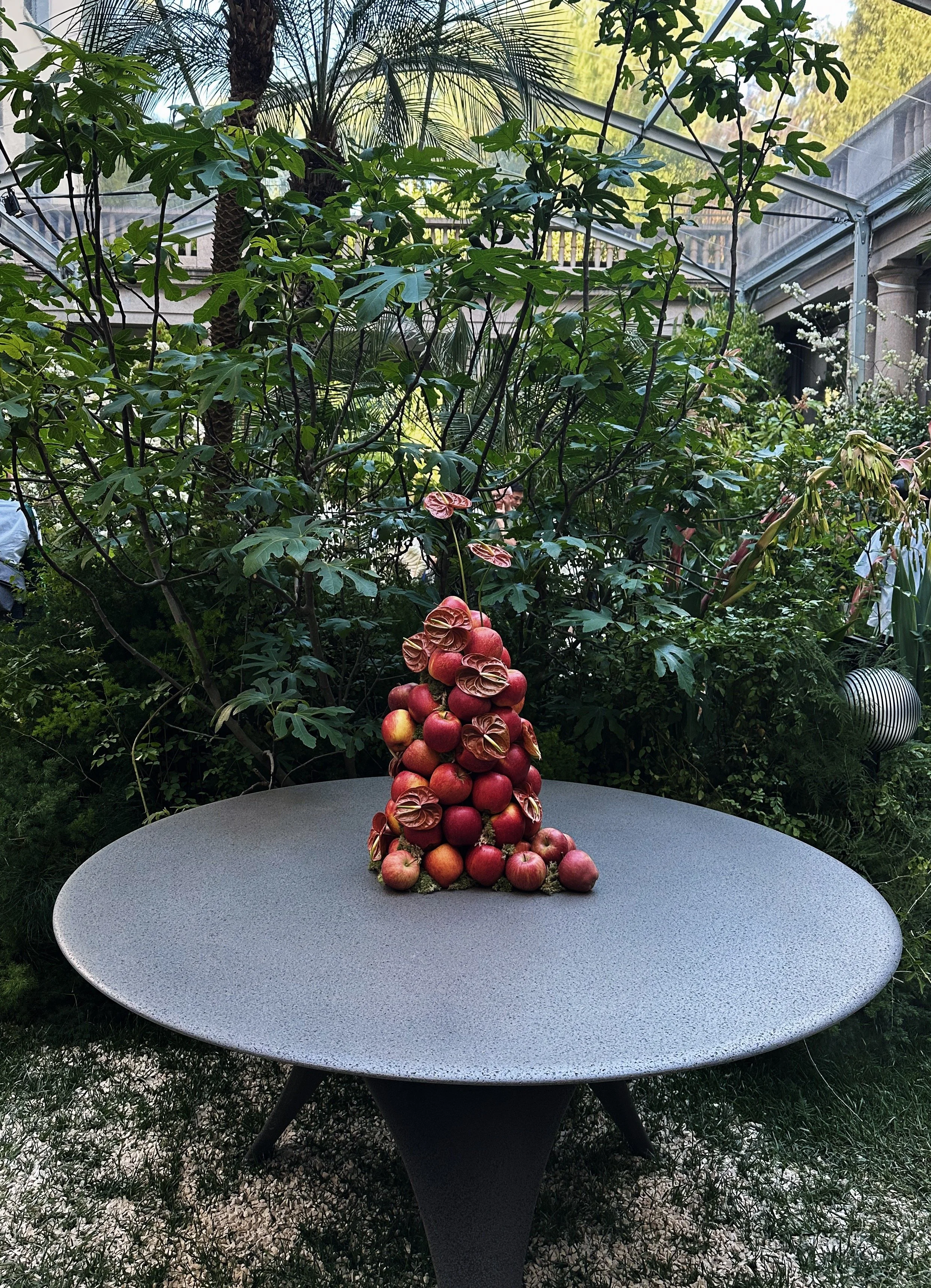
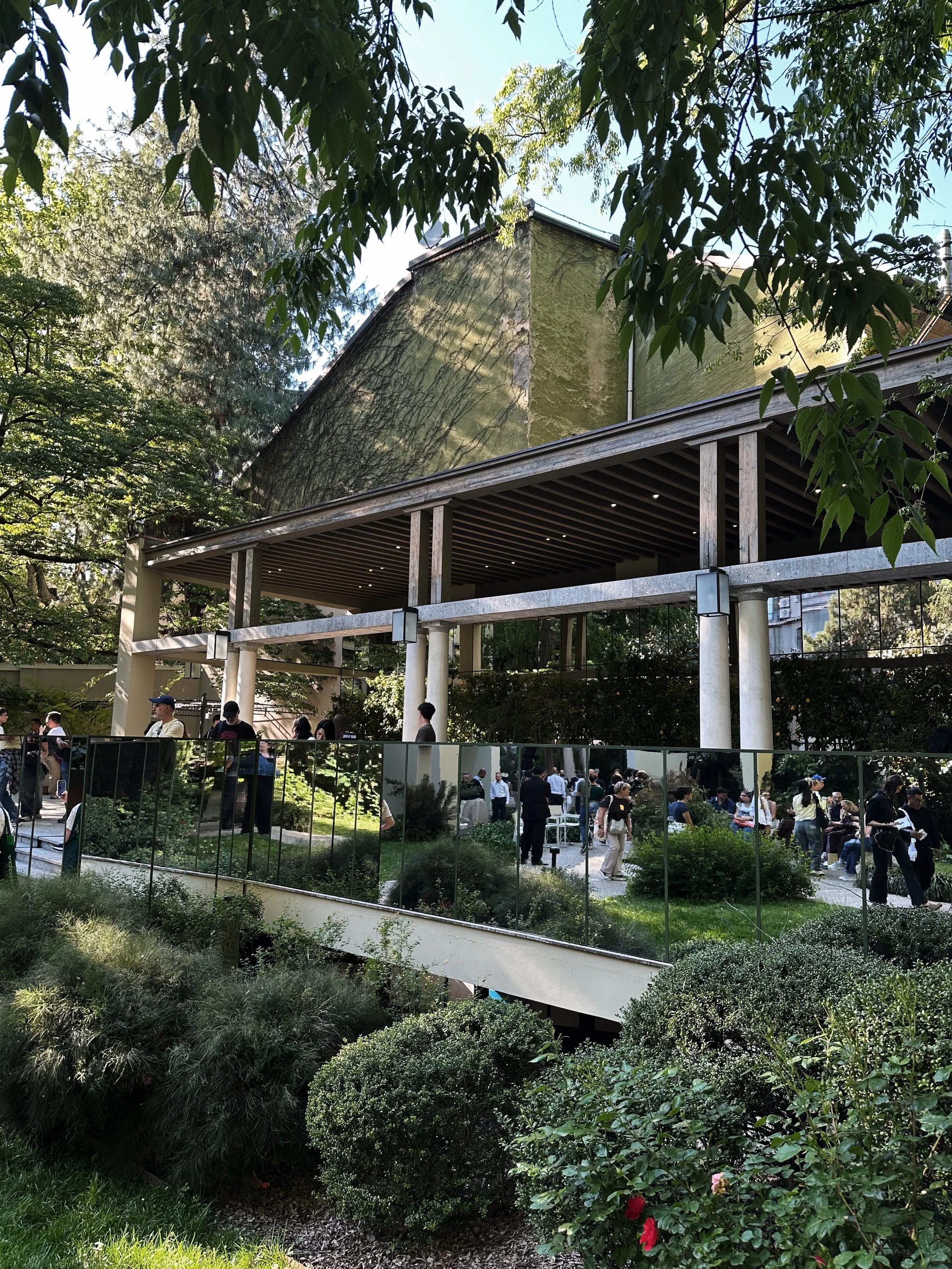
Molteni & C, a designer furniture brand, held an installation featuring six distinct landscapes, contrasting those dominated by human intervention with those where “nature gradually reclaims its supremacy”. Each botanical world, except for the titular “Responsive nature” which is a digital immersive experience, features the brand’s products. The message is clear: furniture is integrated into the space, and it reinforces the beauty and order of natural elements, not the other way around. There are no overt statements about the brand’s sustainability efforts across the supply chain or production. The word sustainability is not even mentioned, yet that is the impression the installation inspires. The symbiosis between Molteni & C’s collection and the natural surroundings sends a message of respect for nature and harmony, all the while inspiring potential clients to achieve the same effect in their gardens.
Hermes: A brief foray into accessibility
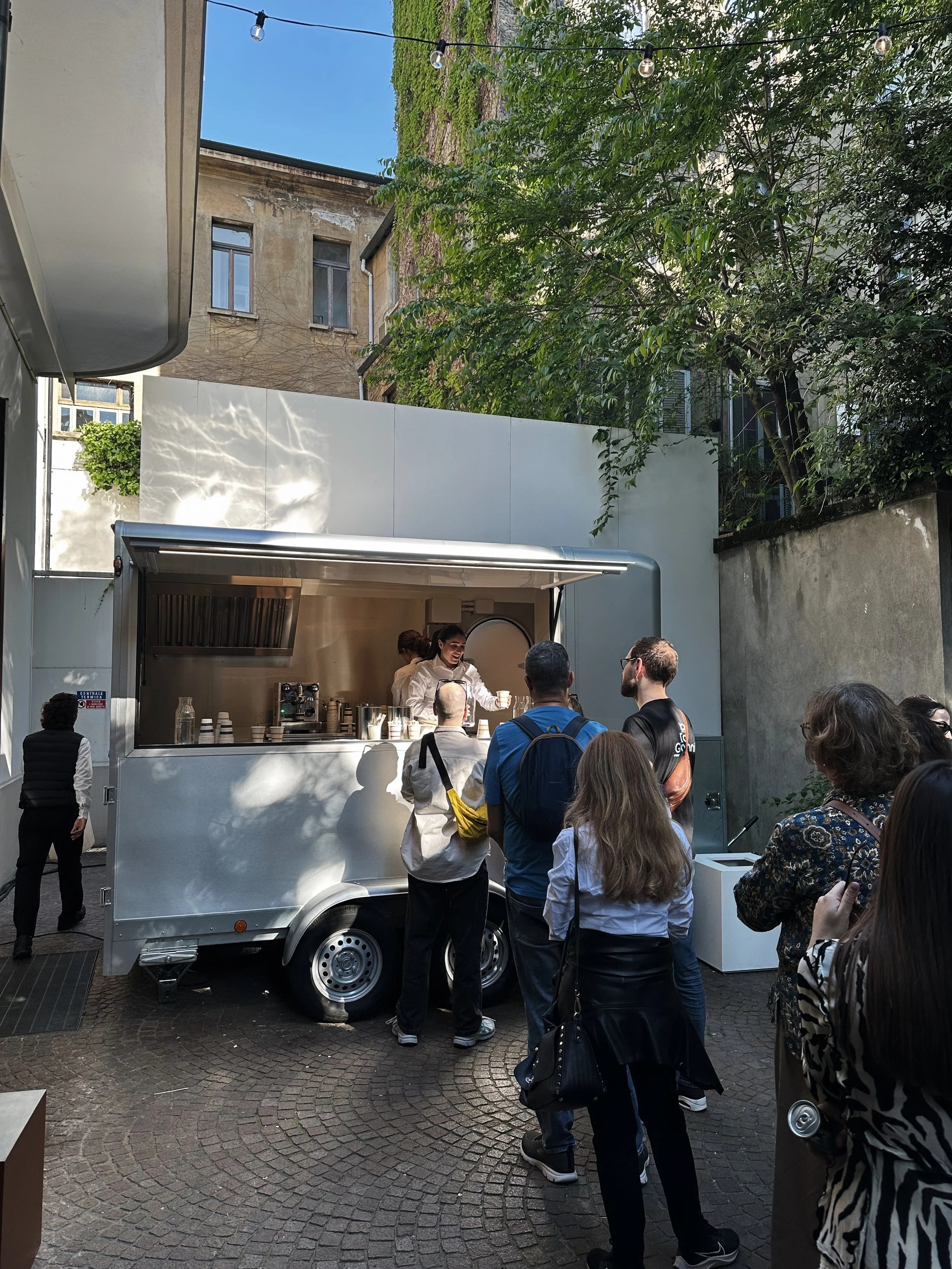
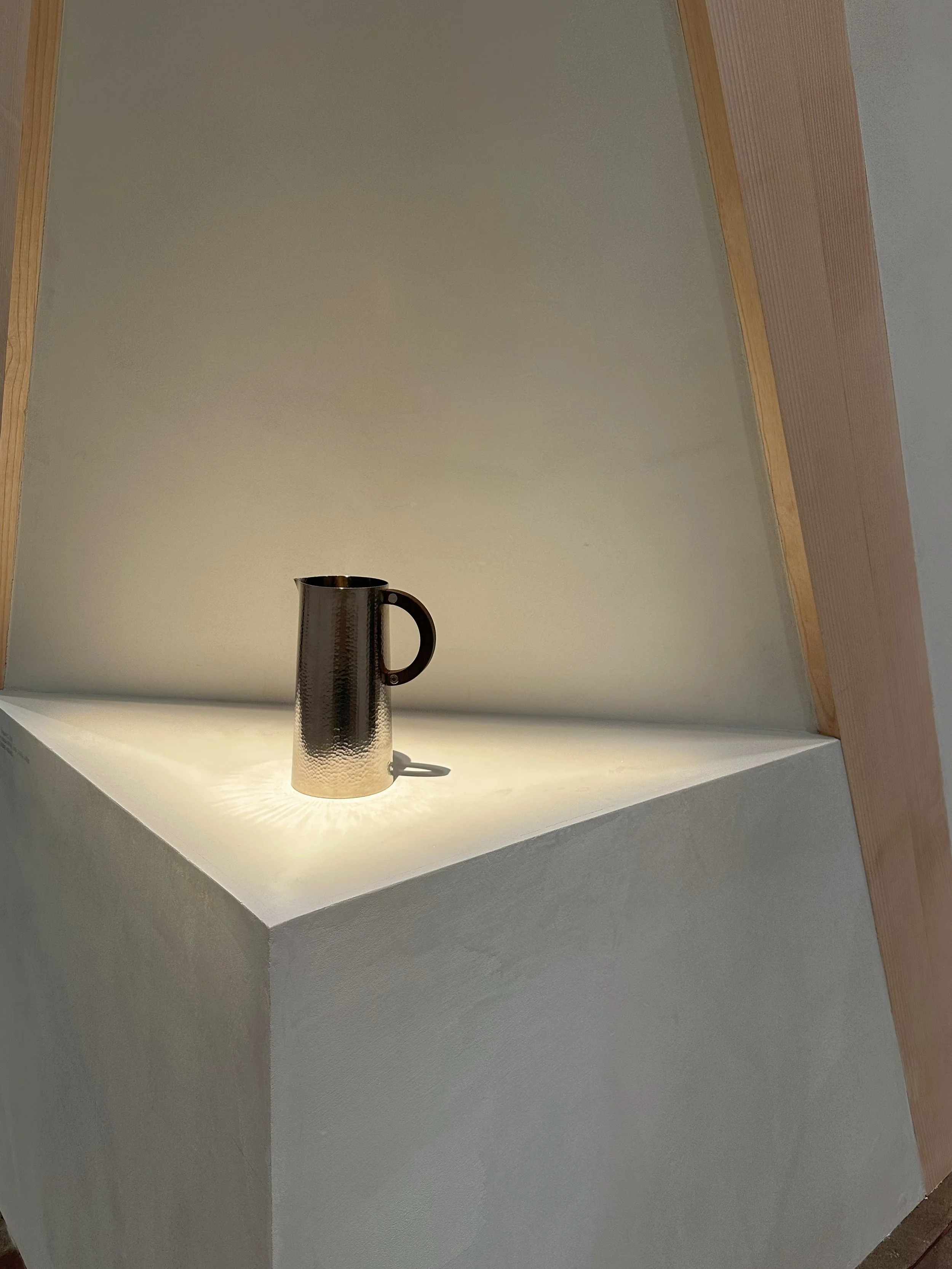
Unlike many other brands during Milan Design Week, Hermes opted for simplicity both in concept and in its execution. The brand presented its homeware collection in an art exhibition-like space and setup. What attracted our attention was the element of accessibility, which is usually not part of the brand’s ethos. There were no exceptionally long lines at the installation location, no requirement to sign up for the event, and the space was designed to promote social connection. There was a coffee cart and plenty of colourful sitting blocks where people could enjoy their drink and talk, which is exactly what happened. Inside the exhibition, there were plenty of opportunities to speak with employees and learn about the products, and their demeanour was notably friendly and relaxed. This brief foray into accessibility was well aligned with the spirit of Milan Design Week and the sub-theme of Brera Design Week, which recognises design as a cultural process that requires dialogue and experimentation rather than an air of exclusivity. It is also a timely branding strategy, as the relevance of luxury brands is being questioned and the concept of luxury is actively resisted by many.
Elie Saab: Space as a heritage signifier
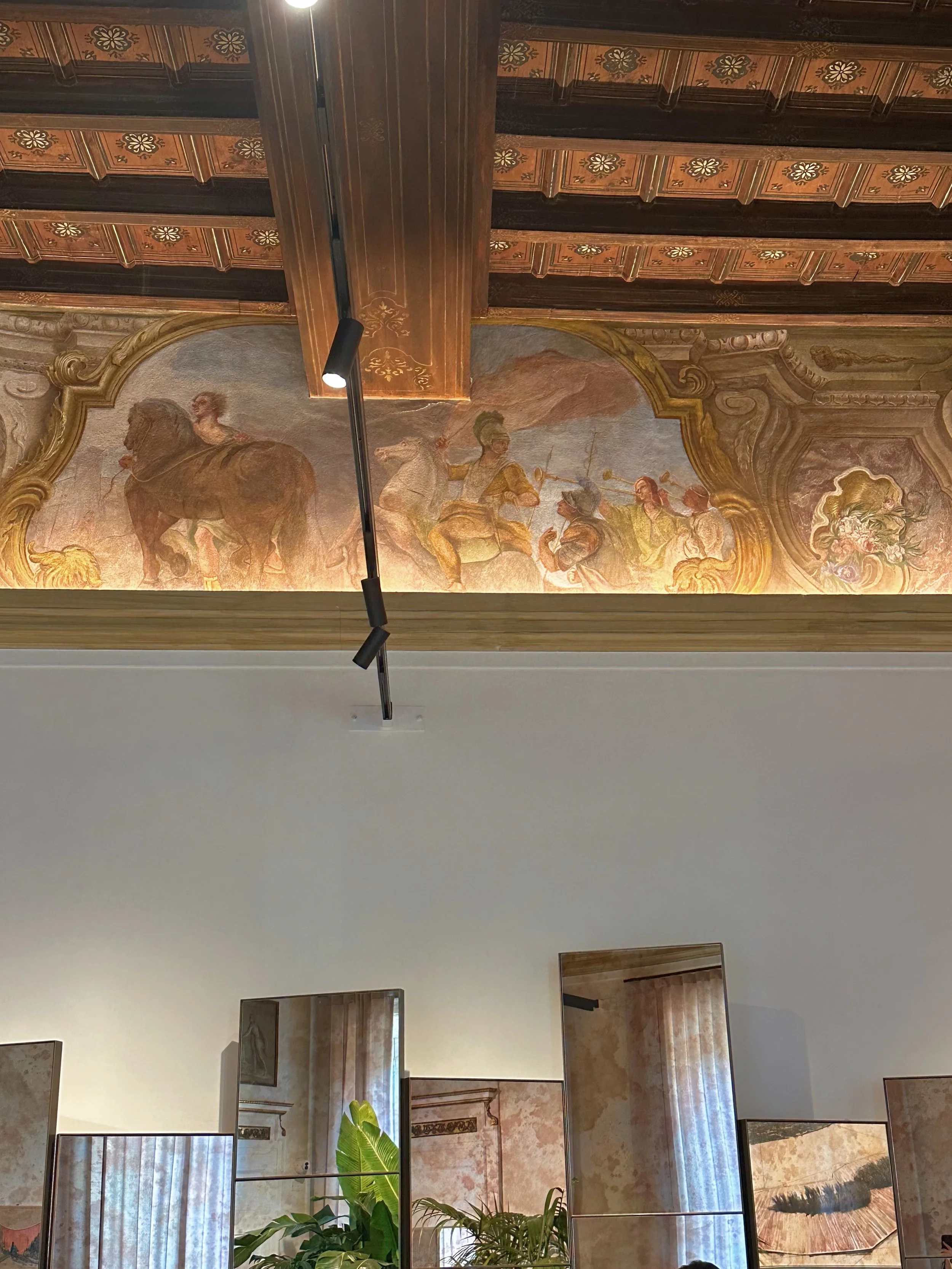
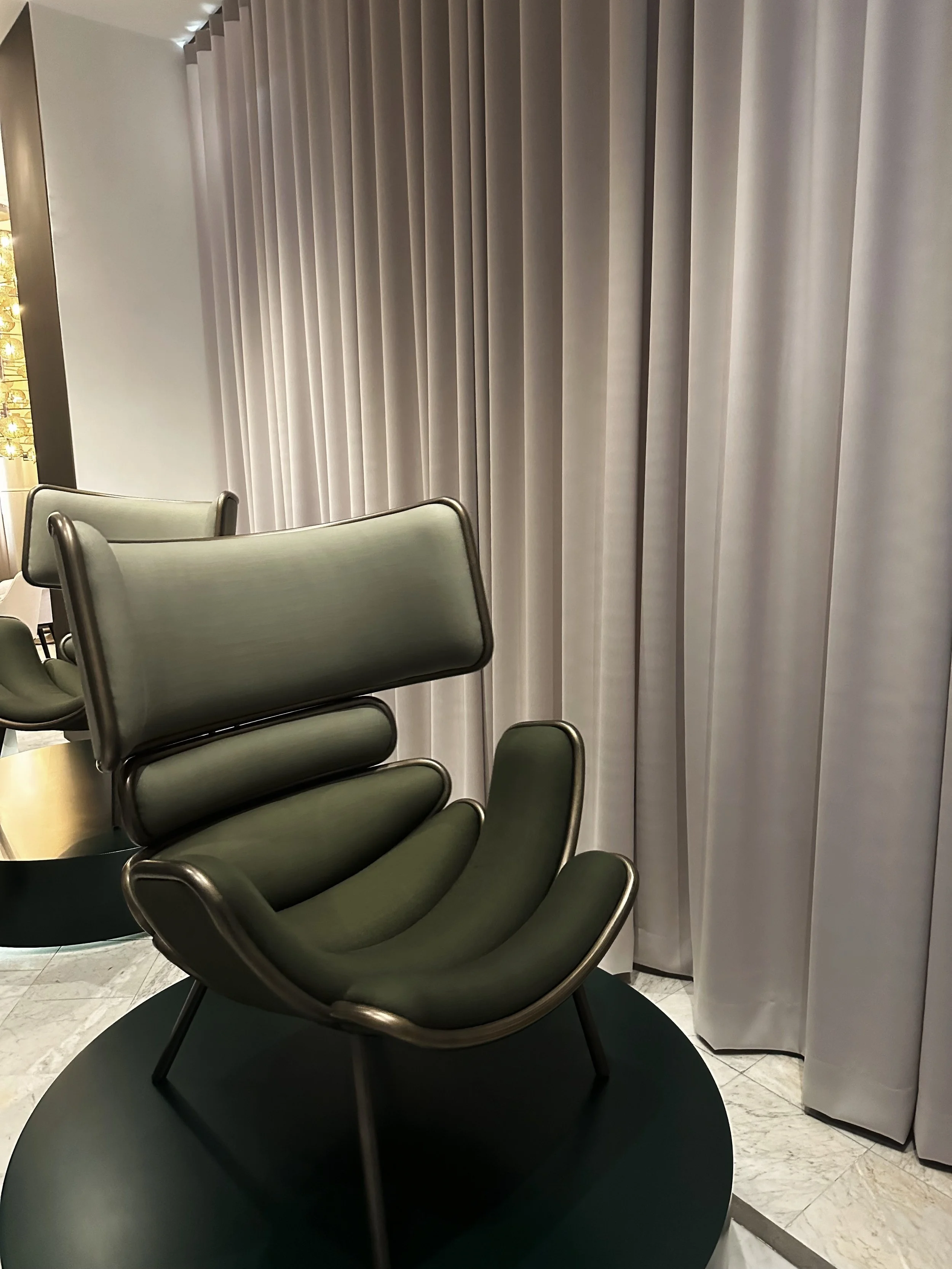
One notable trend during the week-long Design Week was that brands presented their collections in historical buildings. This was also the case with Elie Saab, which presented the latest collection of its Maison line in a “quintessentially Milanese apartment”. While the furniture was modern in design, presenting it in this opulent, traditional space created several effects. Firstly, the space itself served as a heritage signifier, even though the brand does not come with a century-long tradition. Secondly, due to the location choice, the collection was infused with the Milanese ethos and sophistication, adding to the impression of timelessness. Without using narrative branding techniques, Elie Saab relied on space to provide these contextual cues and cement the impression that the collection is a part of an upscale Milanese social fabric.
Uzbekistan: Cognitive dissonance as a country branding strategy
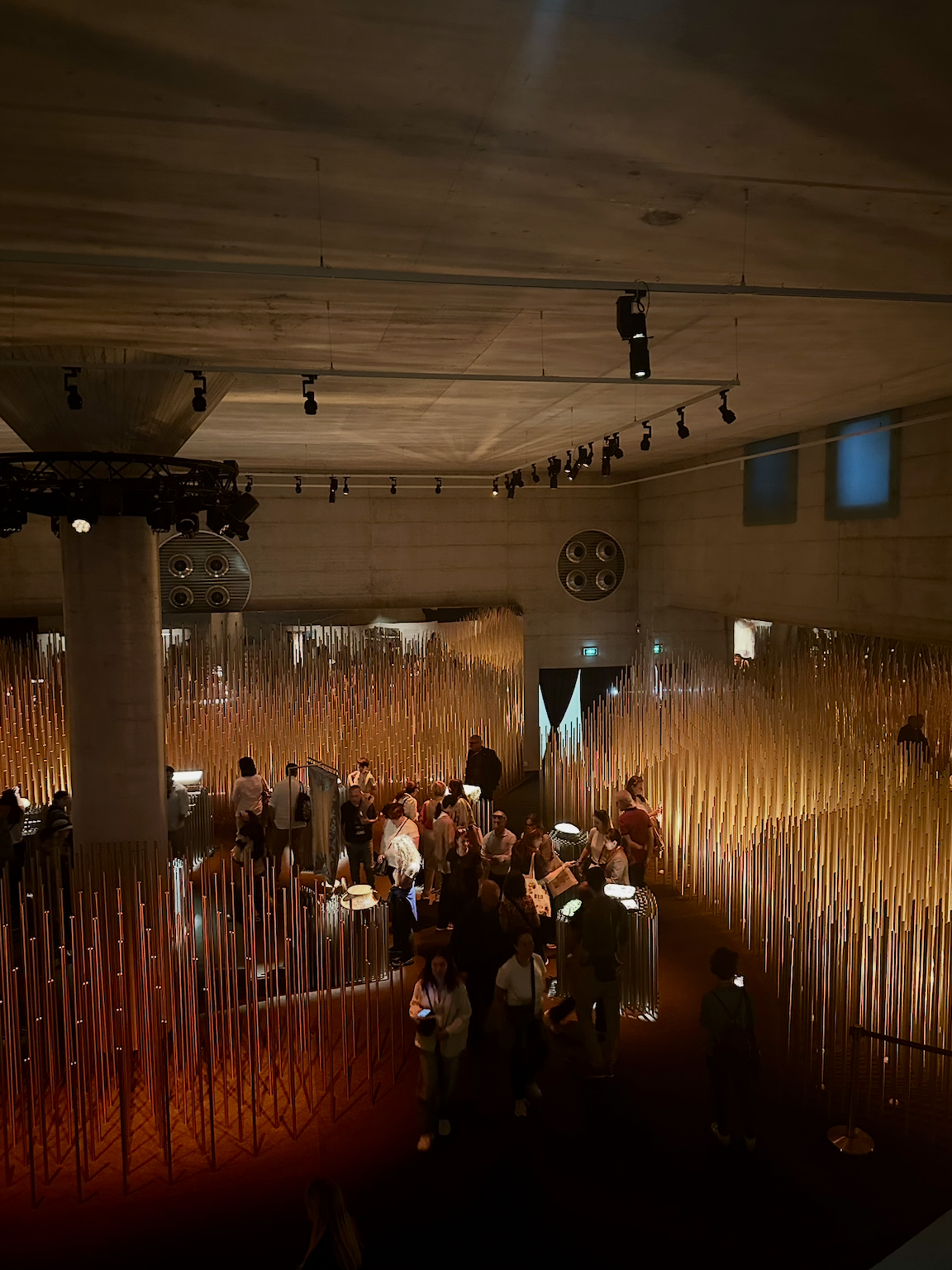
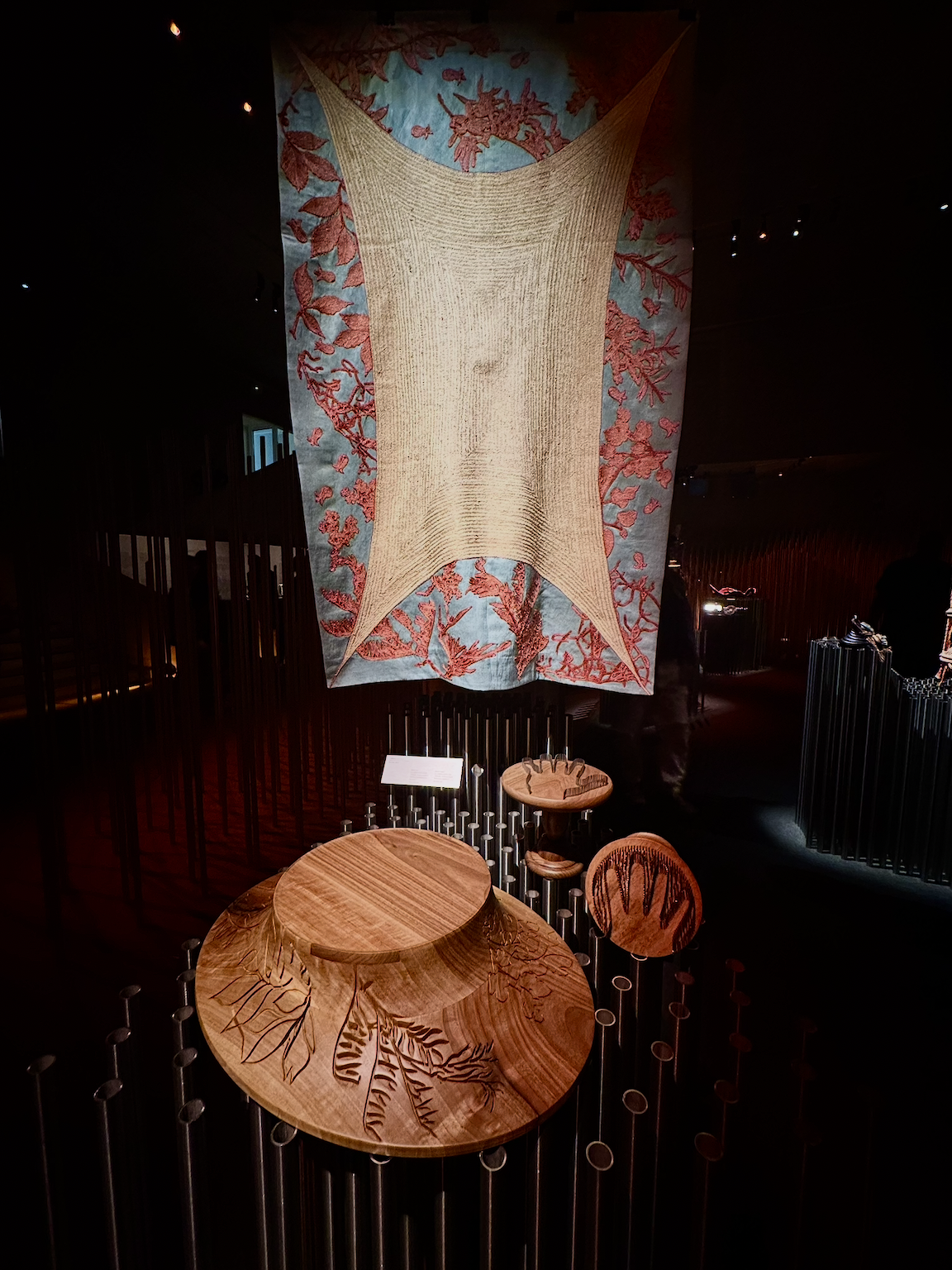
Uzbekistan participated in Milan Design Week by hosting an event titled “When apricots blossom”. The exhibition offered several engagement formats, including literature, space, and traditions. What stood out was the country’s approach, which combined modernity with tradition, favouring themes of creativity and innovation while spotlighting its history and roots. There was an element of surprise to the exhibition, as its announcement and the entrance design (the facade adorned with knitted flowers) did not anticipate the modern interior. This play on expectations versus reality is an excellent strategy for challenging the prevalent stereotypes countries face in public discourse. The continuous contrast between the space and the objects presented created cognitive dissonance. As visitors moved through the space, they were guided to rebuild their impression of Uzbekistan. This was an excellent example of how affecting preconceived ideas at the individual level can be utilised to form a different broader country image.
SolidNature: Introducing whimsy
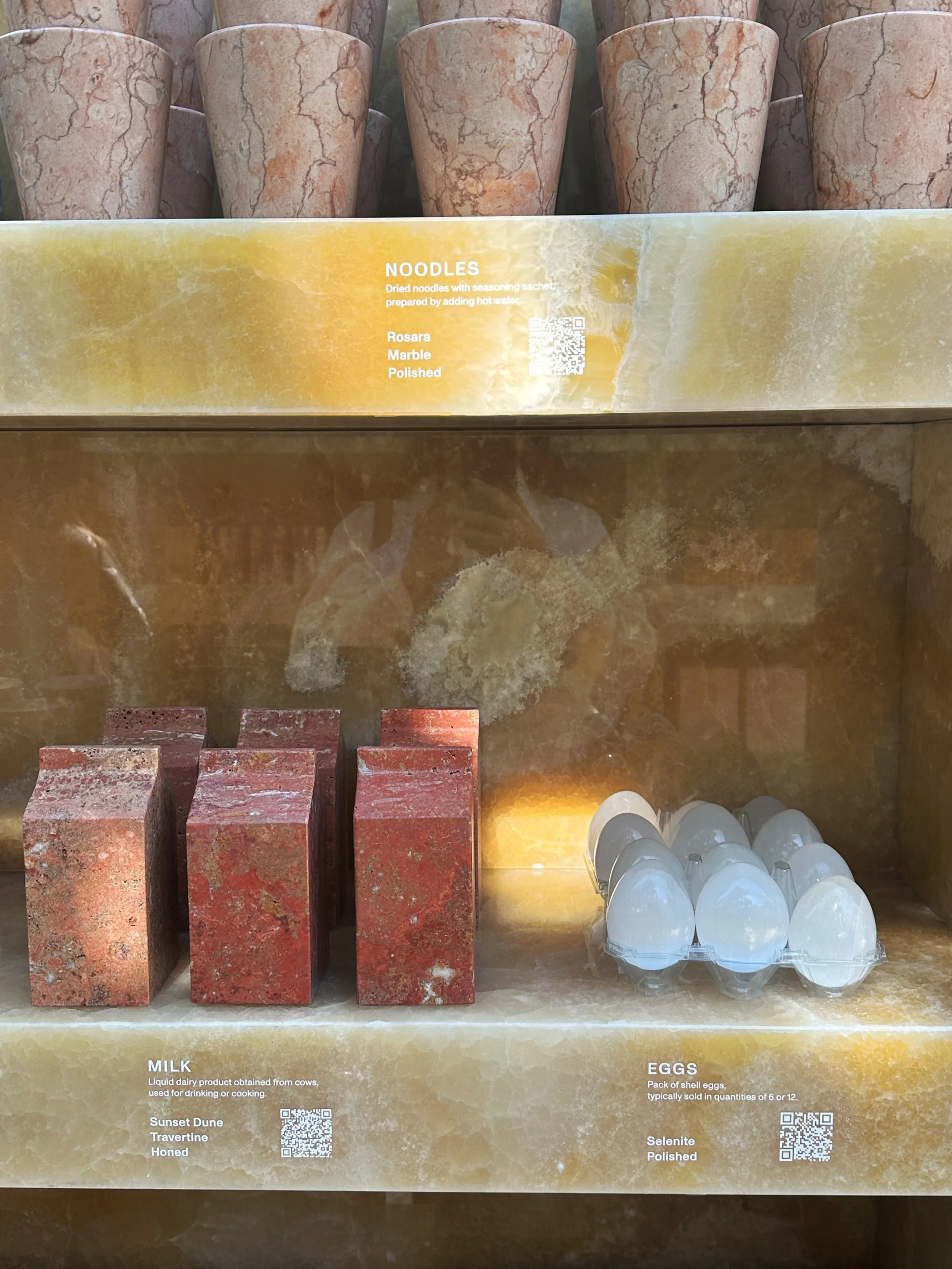
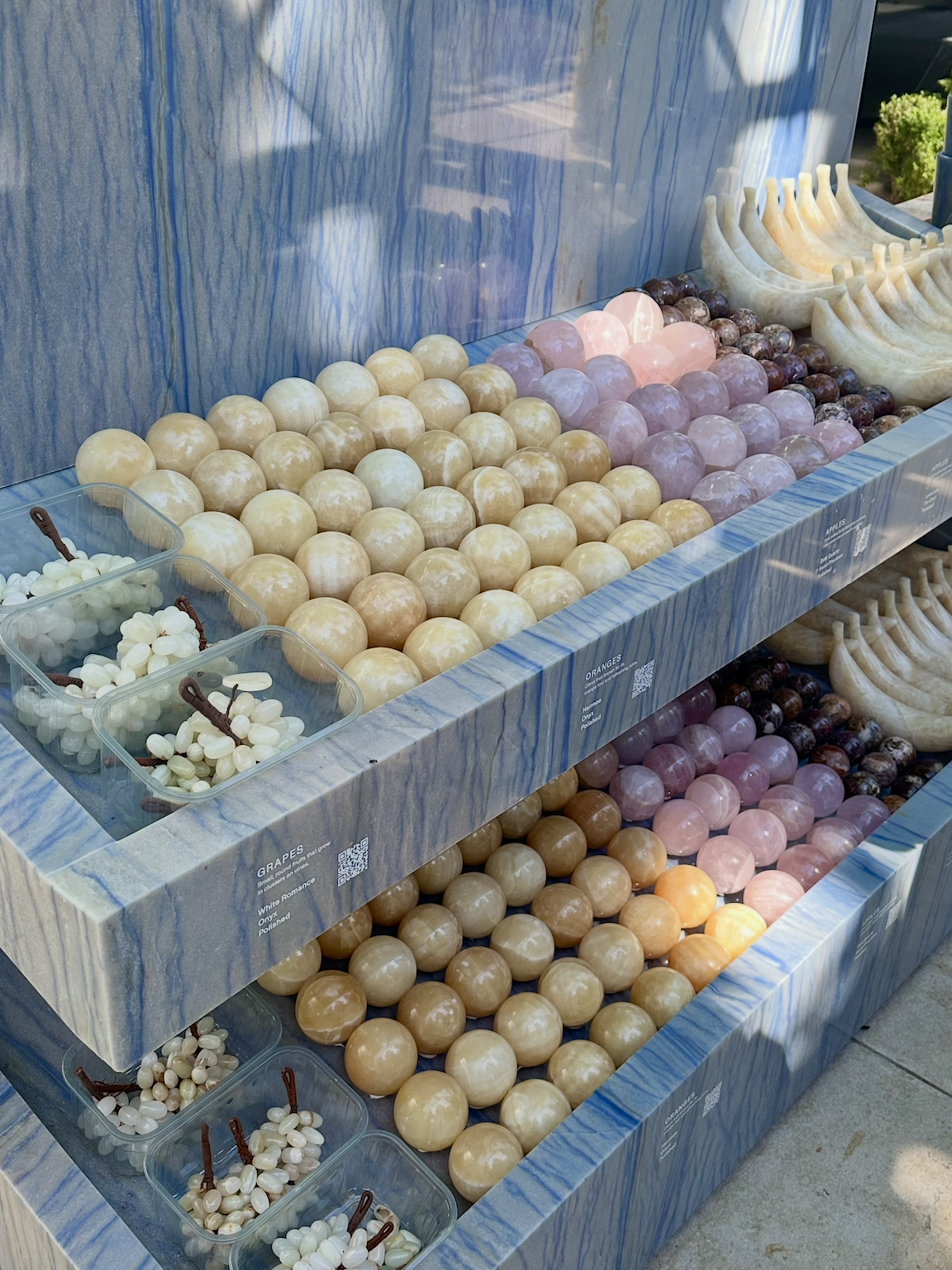
SolidNature is positioned as a think tank and innovation partner that develops solutions made from natural stone. In alignment with this positioning, the company held an installation at Milan Design Week titled “Il sonno”, which featured an imaginary supermarket made fully out of stone. The intention behind this project was to introduce stone as a material that can be reimagined and manipulated in ways to create unexpected objects. The brand created an aesthetically pleasing and inventive installation that had visitors excitedly pointing at surprising objects, such as bananas, sandwiches, or eggs made from colourful natural stones. While for those unfamiliar with the company, such an approach was an unexpected twist, those who follow the work of SolidNature know that this strategy was on brand since introducing whimsy is its signature move.
Ressence: Deconstruction as brand education
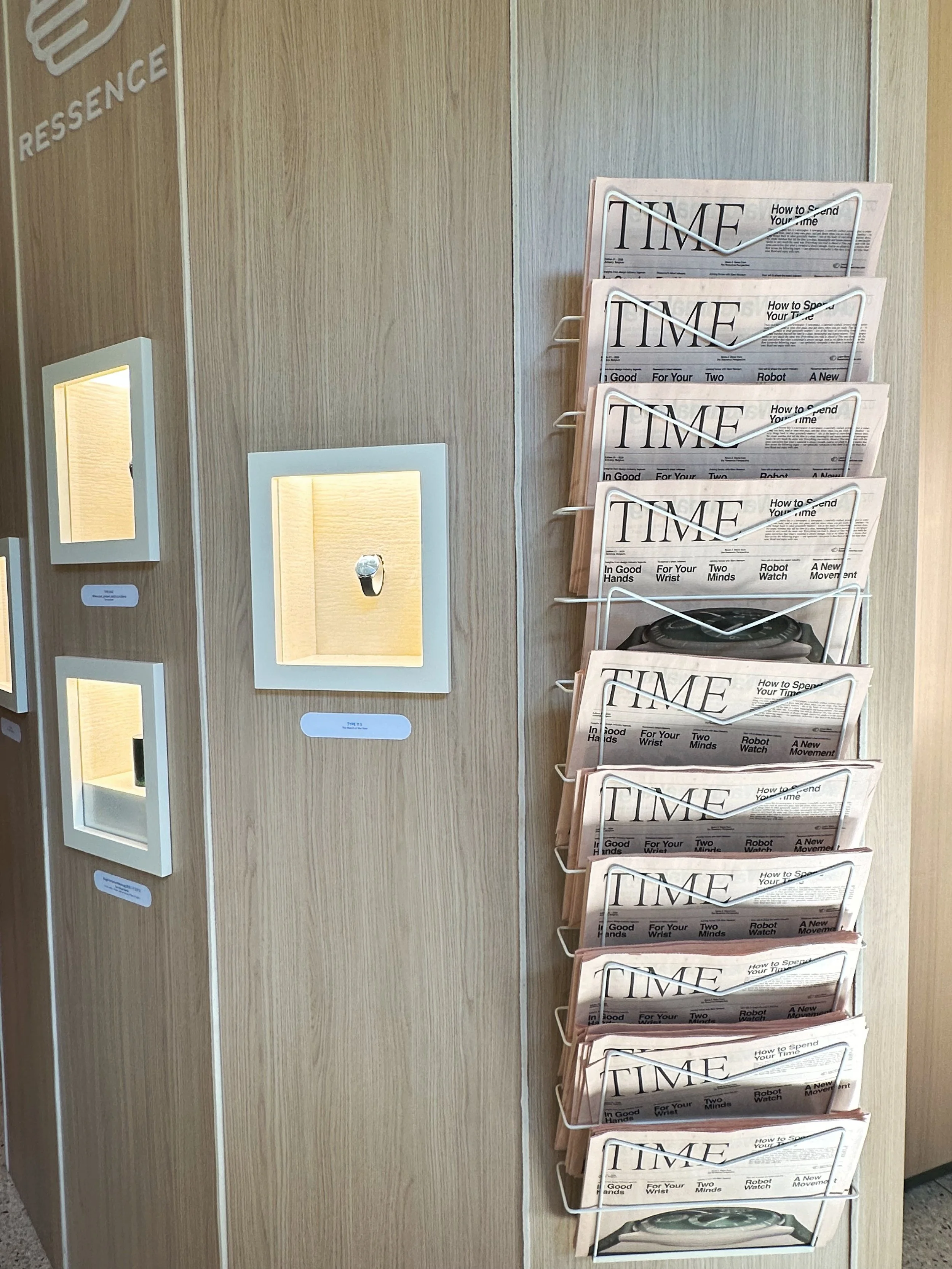

Ressence, a watchmaker brand, held a small exhibition to present its brand and products to a wider audience, offering a look at deconstructed watches. The brand relies heavily on highly innovative watch solutions and seeks to blur the distinction between form and function. The exhibition took the same approach, allowing visitors to closely observe watch elements without compromising the aesthetic of the experience. Furthermore, this approach made it easier for employees to offer more in-depth explanations of different technologies. The simplification that comes with deconstruction also played an important role, given the complexity of the technological solutions the brand uses. Hence, deconstruction not only enabled product exploration but also facilitated an understanding of mechanisms that might otherwise be difficult to grasp when presented in short form.
Sabato de Sarno: Rebranding designers as curators
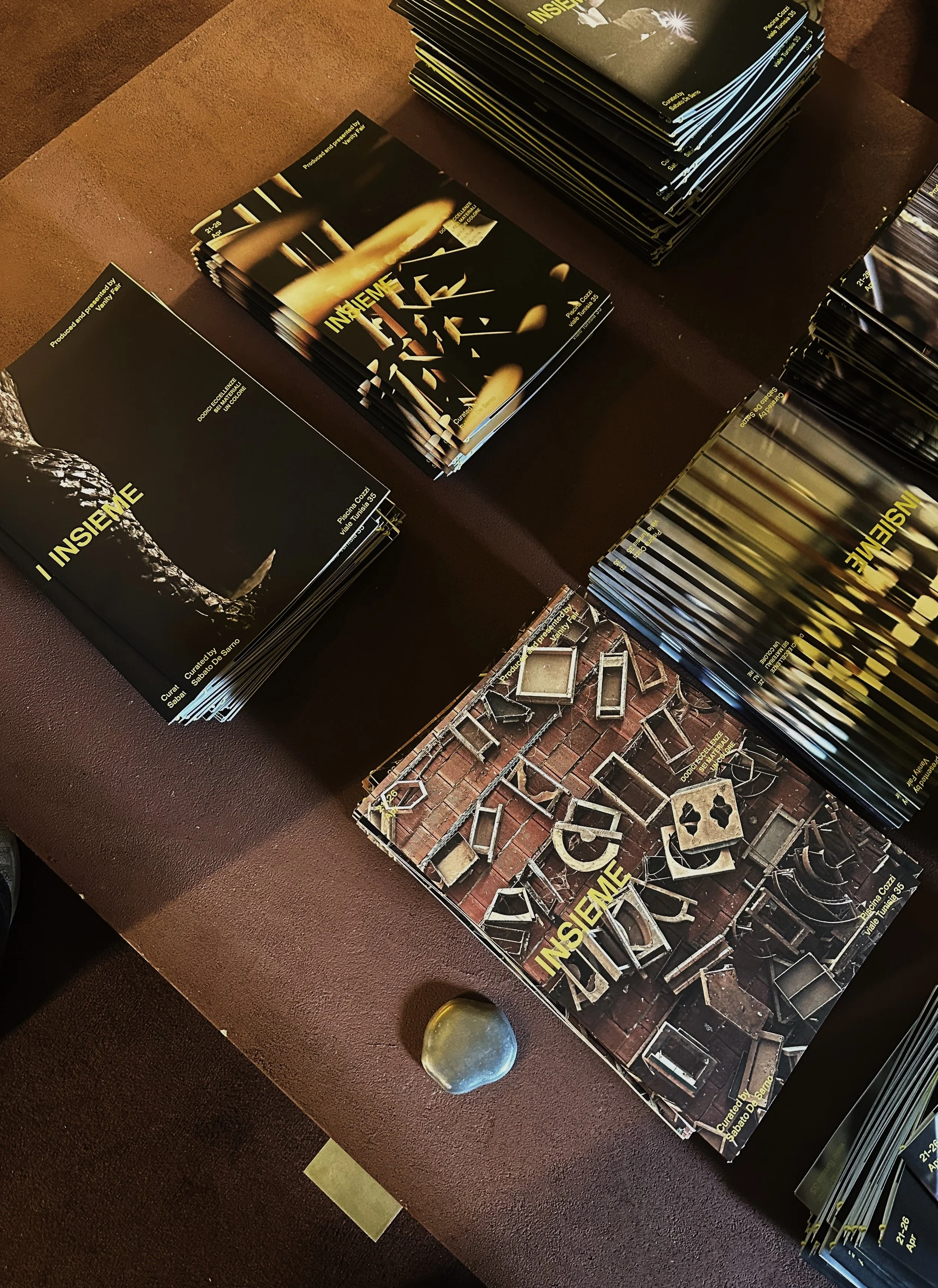
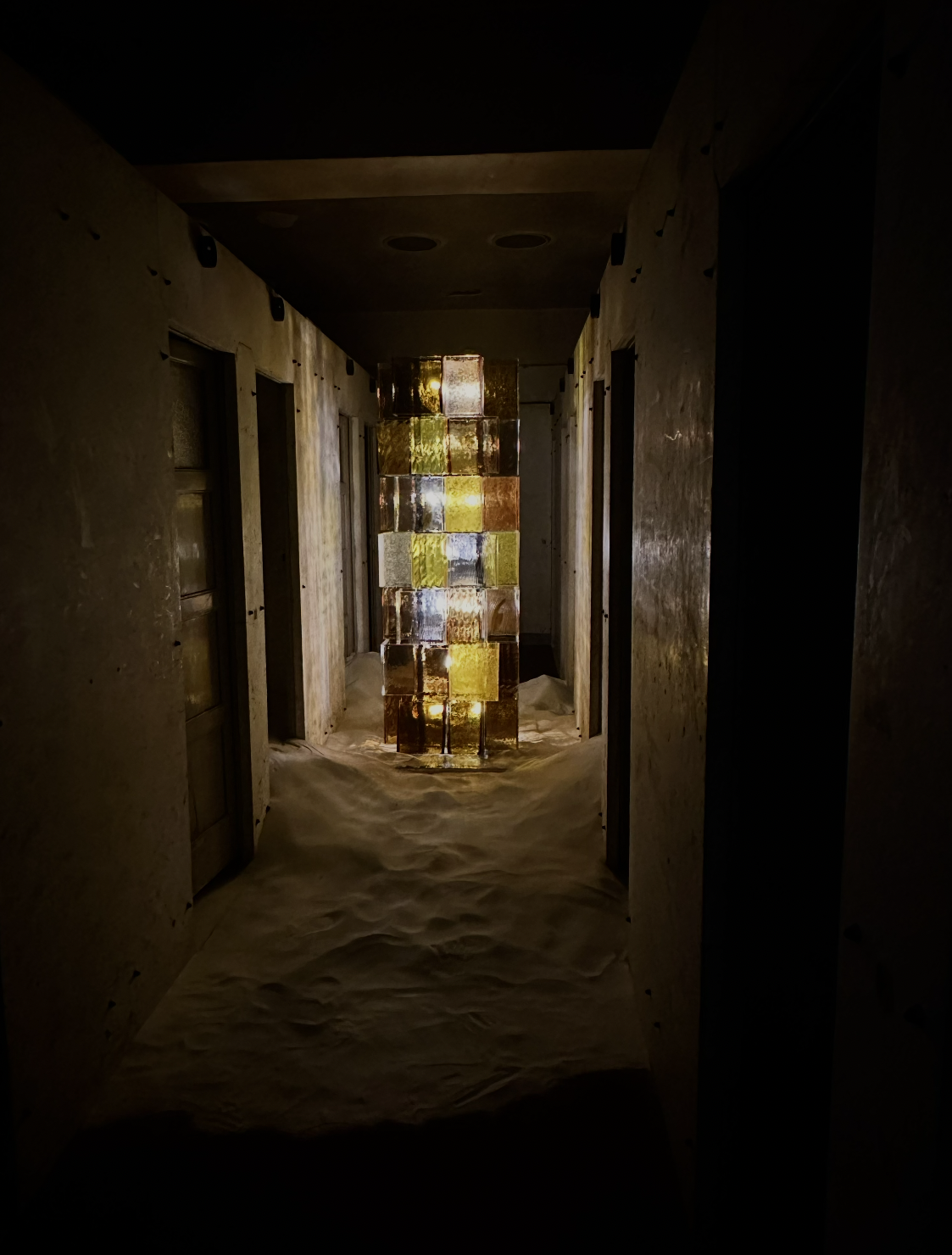
The end of our review of Milan Design Week is devoted to the exhibition curated by Sabato de Sarno, a designer and a former creative director of Gucci. The concept of the exhibition titled “Insieme” focused on the time required for the production process, and 12 Italian artisan companies were asked to participate. What makes this exhibition stand out is that it was curated exclusively by de Sarno, which adds another layer of authority and credibility for fashion designers. There is already a view that designers are purveyors of good taste, which is why we often see articles featuring their favourite fashion pieces, restaurants, hotels, and other lifestyle-related topics, including art. However, in this case, the role of designers as curators has been formalised and elevated. The exhibition does not open up space for discussion about whether this move is justified, as online and offline content do not offer an explanation for the appointment of de Sarno as the exhibition curator. It remains to be seen whether this trend will prevail and how it will affect the art of curatorship.